
Discover Bacalar: Your Peaceful Alternative to Tulum and Playa del Carmen

For years, Bacalar quietly sat in the shadow of places like Playa del Carmen, Cancun, and Tulum. While millions of visitors flooded the Riviera Maya every year, Bacalar remained a slower, calmer destination known mostly among backpackers, road trippers, divers, and long-time Mexico travelers.
That has changed dramatically over the last few years.
More expats, digital nomads, repeat Riviera Maya visitors, and travelers burned out on crowded tourism zones are heading south from Playa del Carmen looking for something different. This guide breaks down the real-world experience of traveling from Playa del Carmen to Bacalar — transportation, costs, food, lodging, what to pack, what to avoid, and why this little lagoon town feels completely different from the rest of Quintana Roo.
Table of Contents
- Why Bacalar Feels Different
- Getting From Playa del Carmen to Bacalar
- The Real ADO Bus Experience
- What To Pack for Bacalar
- First Impressions After Arriving
- Where To Stay in Bacalar
- Understanding the Lagoon
- Restaurants, Cafes, and Food Spots Worth Visiting
- Best Things To Do in Bacalar
- Realistic Costs and Budget Expectations
- Why Bacalar Is Trying To Avoid Becoming Tulum
- Final Thoughts Before You Go
Why Bacalar Feels Different From Playa del Carmen and Tulum
The first thing long-time Playa del Carmen visitors notice about Bacalar is the pace.
Everything slows down.
There are no giant rooftop clubs every hundred feet. No endless chain stores. No giant all-inclusive resorts swallowing entire stretches of coastline. No beach clubs competing to blast music louder than the place next door.
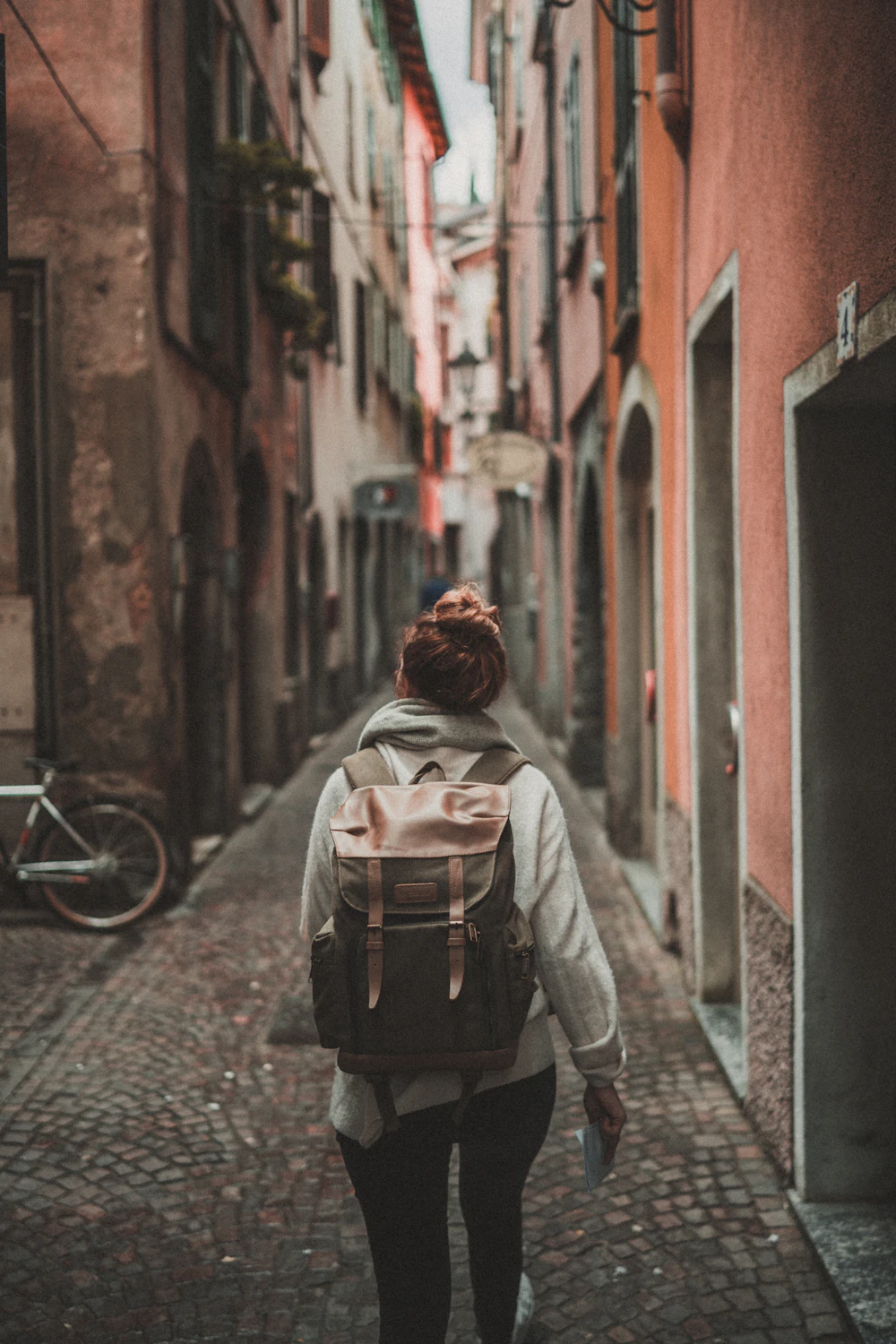
Instead, Bacalar feels small, local, and strangely peaceful.
People wake up early for sunrise kayaking instead of closing bars at 4 a.m. Cafes open slowly. The lagoon becomes the center of daily life. Even conversations seem quieter here.
A comparison that comes up repeatedly among Riviera Maya travelers is this:
“Bacalar feels like what Tulum used to feel like 15 years ago.”
That idea appears constantly among locals and travelers discussing the town’s atmosphere and growth. :contentReference[oaicite:0]{index=0}
And honestly, the comparison makes sense.
Bacalar still feels like a town first and a tourism destination second.
The famous “Lagoon of Seven Colors” changes shades constantly depending on sunlight, cloud cover, minerals, algae, and water depth. The lagoon can look completely different hour to hour.
Getting From Playa del Carmen to Bacalar
For most travelers leaving Playa del Carmen, there are three realistic transportation options:
- ADO bus
- Rental car
- Maya Train
At the moment, the ADO bus remains the easiest and most practical option for most people.
The route from Playa del Carmen to Bacalar typically takes just under four hours and costs around 544 pesos depending on schedule and season. :contentReference[oaicite:1]{index=1}
That surprises a lot of people because Bacalar looks much farther away on the map than it actually feels during the ride.
Once you get south of Tulum, traffic thins dramatically and the route becomes straightforward highway driving.
Important ADO Tip Most Tourists Miss
Some Bacalar routes leave from the ADO Alterna station instead of the main Playa tourist terminal.
That matters more than people realize.
If you arrive at the wrong station with luggage and ten minutes before departure, your morning becomes stressful very quickly.
The Alterna station sits around Avenida 20 and Calle 12. :contentReference[oaicite:2]{index=2}
Always verify your departure station before the trip.

One of the smarter recommendations from repeat travelers is buying your ticket in person instead of relying completely on the app. Printed tickets reduce confusion and give you a backup if phone signal or battery becomes an issue. :contentReference[oaicite:3]{index=3}
Most experienced Riviera Maya travelers prefer morning departures to Bacalar. You avoid heavy Playa traffic, arrive before sunset, and maximize your first lagoon day.
The Real ADO Bus Experience
The Playa del Carmen to Bacalar ADO ride is honestly much easier than many first-timers expect.
The buses are air-conditioned, comfortable, generally punctual, and surprisingly smooth once you get outside the Playa-Tulum corridor.
For many people, the trip becomes:
- One good nap
- A podcast
- A downloaded movie
- A snack stop
- Then suddenly you are in Bacalar
The biggest thing people underestimate is how cold the buses get.
Even during brutally hot Riviera Maya afternoons, the ADO can feel freezing after several hours. Experienced travelers usually keep a hoodie, long sleeve, or lightweight layer accessible instead of buried under the bus. :contentReference[oaicite:4]{index=4}
Another recurring recommendation is keeping “mission critical” items on your person at all times.
That means:
- Passport
- Cash
- Cards
- Phone
- Laptop
- Cameras
The route includes multiple stops including Tulum and Felipe Carrillo Puerto. People fall asleep constantly on these rides, which creates easy opportunities for theft if valuables are left in overhead storage. :contentReference[oaicite:5]{index=5}
Do not assume overhead storage is secure while you sleep. Keep valuables physically attached to you during the ride.
What To Pack for Bacalar
Packing for Bacalar is different from packing for Playa del Carmen.
The lagoon changes everything.
One of the most important rules visitors discover quickly is that sunscreen is heavily discouraged in many lagoon areas because the ecosystem is extremely fragile. :contentReference[oaicite:6]{index=6}
That means sun protection becomes incredibly important.
Experienced Bacalar travelers almost always recommend:
- Long sleeve rash guards
- Wide hats
- UV shirts
- Hydration packets
- Dry bags
- Waterproof phone cases
- Water shoes
The sun reflection off the lagoon can be intense.
People routinely underestimate it because the water feels calm and cooling.
Then suddenly they are completely cooked after six hours kayaking around Bird Island or floating Los Rapidos.

Another surprisingly useful recommendation repeated by experienced travelers is bringing probiotics or stomach medicine before experimenting with multiple food spots during the trip. :contentReference[oaicite:7]{index=7}
Bacalar’s food scene is genuinely good now, and most people end up eating constantly while exploring the town.
Bring a reusable water bottle. Bacalar’s heat combined with kayaking, swimming, and lagoon exposure dehydrates people much faster than they expect.
First Impressions After Arriving in Bacalar
The first impression many Playa visitors get after arriving in Bacalar is how quiet the town feels.
Even near the ADO station, things move slower.
Traffic exists, but not Riviera Maya traffic. People walk more slowly. The streets feel smaller. The energy changes almost immediately.
One of the smartest things travelers can do after arriving is avoid rushing directly into activities.
Bacalar works better when you ease into it.
A lot of people end up stopping first at one of the local cafes or pastry shops before heading to lodging check-in.
One spot repeatedly praised by travelers is a small cafe known for baked empanadas, fresh aguas frescas, greenery, and a calm atmosphere. :contentReference[oaicite:8]{index=8}
That vibe honestly represents Bacalar well:
- Small cafes
- Quiet gardens
- Simple breakfasts
- Fresh juice
- Slow mornings
Instead of giant brunch spots designed for Instagram, Bacalar still leans heavily toward relaxed neighborhood-style dining.
Where To Stay in Bacalar
This is where many Playa travelers accidentally overspend.
A lot of first-time visitors assume they need an expensive luxury lagoon hotel to experience Bacalar properly.
You really do not.
Some of the smartest travelers book small lagoon-access properties that include:
- Kayaks
- Bikes
- Docks
- Common lagoon access
- Basic cabins or rooms
That setup gives you access to the exact same lagoon experience without paying luxury resort prices.
Several travelers specifically mention choosing simple lagoon accommodations instead of hostels in town because direct water access completely changes the trip experience. :contentReference[oaicite:9]{index=9}
Waking up directly on the water matters here.
Sunrise in Bacalar is one of the biggest parts of the experience.
And honestly, sitting in a hammock over the lagoon at 7 a.m. is hard to beat anywhere in Quintana Roo.
Many Bacalar lagoon properties intentionally keep low room counts to reduce environmental impact and preserve the quieter atmosphere of the lagoon.
Understanding the Lagoon
The lagoon is the reason Bacalar exists.
And locals protect it aggressively.
This is not just another tourism attraction. It is an incredibly fragile ecosystem filled with stromatolites — ancient living formations connected to some of the oldest life systems on Earth. :contentReference[oaicite:10]{index=10}
That is why you constantly hear rules about:
- No sunscreen
- No touching stromatolites
- No polluting motors
- No dumping chemicals
- No damaging lagoon vegetation
Many locals openly discuss fears of Bacalar becoming another overdeveloped Riviera Maya tourism zone. :contentReference[oaicite:11]{index=11}
Unlike some other destinations, though, Bacalar still has strong local pushback against uncontrolled development.
Community organizations actively monitor lagoon protection, development projects, and environmental violations. :contentReference[oaicite:12]{index=12}
That environmental awareness is visible everywhere once you start paying attention.
Eco-tours dominate instead of jet ski rentals. Kayaks appear everywhere. Solar power and sustainable lodging discussions happen constantly.
People genuinely care about preserving the lagoon here.
Restaurants, Cafes, and Food Spots Worth Visiting
Bacalar’s food scene is much better than many people expect.
And unlike Playa del Carmen, where restaurants can sometimes feel interchangeable, Bacalar still feels highly independent and local.
Breakfast Culture Is Strong Here
One thing visitors quickly notice is how seriously Bacalar takes breakfast.
Several cafes repeatedly stand out among travelers:
- Small coffee gardens
- Pastry shops
- Chilaquiles cafes
- Local bakeries
- Fresh juice spots
Travelers consistently describe breakfast spots as:
- Quiet
- Relaxed
- Green
- Plant-filled
- Slow-paced
One repeatedly praised breakfast experience involved chilaquiles verdes with fresh vegetables, cabbage, avocado, chicken, beans, and aguas frescas at a highly rated local cafe. :contentReference[oaicite:13]{index=13}
That style of breakfast appears everywhere in Bacalar now.
Seafood Is Everywhere
Fresh fish dominates many local menus.
Garlic shrimp, whole fish, ceviche, grilled seafood, and lagoon-side dining appear constantly throughout town. :contentReference[oaicite:14]{index=14}
Several travelers specifically mention unexpectedly high food quality relative to prices.
Meals around:
- 130 pesos
- 160 pesos
- 200 pesos
are still common at genuinely good local restaurants.
That is becoming increasingly rare elsewhere in the Riviera Maya.
Many of Bacalar’s best restaurants look extremely understated from the outside. Some of the strongest meals in town happen in tiny open-air spots hidden off side streets.
Best Things To Actually Do in Bacalar
The biggest mistake people make in Bacalar is overplanning.
This is not Cancun.
You are not trying to cram ten attractions into a single day.
The lagoon itself becomes the activity.
Pontoon Tours
Pontoon tours are one of the best introductions to Bacalar because they help visitors understand the scale of the lagoon and its different cenote zones.
Many tours stop at:
- Bird Island
- Cenotes
- Shallow blue water zones
- Canals
- Floating swim areas
Travelers repeatedly describe these tours as one of the best values in Quintana Roo, with several quality options around 450 pesos. :contentReference[oaicite:15]{index=15}
Kayaking and Paddleboarding
This is probably the most iconic Bacalar activity.
Sunrise kayaking especially has become almost mandatory for repeat visitors.
The water becomes glassy. The colors intensify. Everything goes quiet.
And unlike Playa beaches during high sargassum seasons, the lagoon remains visually stunning year-round.
Los Rapidos
Los Rapidos is basically Bacalar’s version of a lazy river floating experience.
People float naturally through clear moving water channels surrounded by mangroves and stromatolite zones.
Entry remains relatively affordable — roughly 200 pesos during recent visits. :contentReference[oaicite:16]{index=16}
The biggest recommendation from repeat visitors:
Go early.
Tour buses eventually arrive and crowds increase dramatically by midday.
Most experienced Bacalar travelers structure their days around the sun. Lagoon activities happen early morning or late afternoon to avoid peak heat and strongest UV reflection.
Realistic Costs and Budget Expectations
Bacalar is no longer “cheap Mexico,” but it still feels noticeably more affordable than Tulum.
A realistic mid-range daily budget currently looks something like:
- ADO transport: 544 pesos
- Lagoon lodging: 800–2500 pesos
- Cafe breakfast: 120–250 pesos
- Restaurant dinner: 180–400 pesos
- Pontoon tour: 450 pesos
- Los Rapidos entry: 200 pesos
- Beer: 35–60 pesos
And honestly, Bacalar rewards slower travel.
People trying to speedrun the town in one day usually miss the entire point.
Two or three nights minimum feels ideal.
Why Bacalar Is Trying To Avoid Becoming Tulum
This may be the most important part of understanding Bacalar.
Locals openly discuss fears about overdevelopment constantly.
Many residents watched places like Tulum transform dramatically over the last decade and do not want the same thing happening here. :contentReference[oaicite:17]{index=17}
That is why environmental rules feel stricter here.
That is why sustainability discussions appear constantly.
That is why locals react strongly to projects threatening the lagoon.
Unlike some tourism-heavy Riviera Maya destinations, Bacalar still has strong community involvement pushing back against uncontrolled development. :contentReference[oaicite:18]{index=18}
And honestly, that local attitude is a huge part of what makes the town feel different.
People are trying very hard to preserve something here.
Final Thoughts Before You Go
Bacalar is not trying to compete with Cancun.
It is not trying to out-party Playa del Carmen.
And it is not trying to become another luxury-influencer playground like parts of modern Tulum.
What makes Bacalar special is exactly what makes some tourists uncomfortable:
- It is slower
- Quieter
- More nature-focused
- Less polished
- Less commercialized
- More dependent on the lagoon itself
That slower rhythm ends up becoming the reason many people fall in love with the place.
You wake up with the sunrise instead of a hangover.
You spend more time kayaking than shopping.
You drink coffee slowly instead of rushing through giant crowds.
And after a few days, going back north toward Playa del Carmen almost feels loud.
That is probably the best way to describe Bacalar:
It reminds people how quiet Mexico can still feel when tourism has not completely taken over yet.


